

Climbing Grip Training Tools for Cold Fingers
Last Updated: November 24, 2026
Quick Summary
Use loadable grip training tools, such as a steel grip ball with a loading pin, so you can start with no plates and add weight as your hands warm up. Loadable tools beat fixed ones for cold hands because you control the load, and short, regular sessions beat occasional heavy ones.
- Warm up eight to ten minutes, ending warm and responsive, not pumped.
- Finish warm-up with two sets of 10-second easy hangs on a jug with feet supported.
- The portable hangboard offers edges from 40mm down to 12mm and weighs just 1.5 kg.
- Favour open-hand and half crimp over full crimp, and stop a set when your grip opens.
- Keep hands warm between sets with gloves or pockets and allow more recovery time.
Table of Contents
- Why Cold Fingers Change Your Grip Training
- Climbing Finger Warm-Up Exercises Before You Load a Tool
- Choosing a Climbing Grip Trainer for Cold Hands
- Building Finger Strength Without Overloading Cold Hands
- Training Between Sessions and Staying Consistent
- Cold-Weather Session Planning and Recovery
- Frequently Asked Questions
Why Cold Fingers Change Your Grip Training
Cold fingers change your grip training because cold hands lose blood flow and fine motor control, so the same load feels harder and your fingers fatigue faster. When a load feels desperate, the cause is often temperature rather than lost strength.
Australian Institute of Sport guidance on warm-up and injury prevention
Climbing Finger Warm-Up Exercises Before You Load a Tool
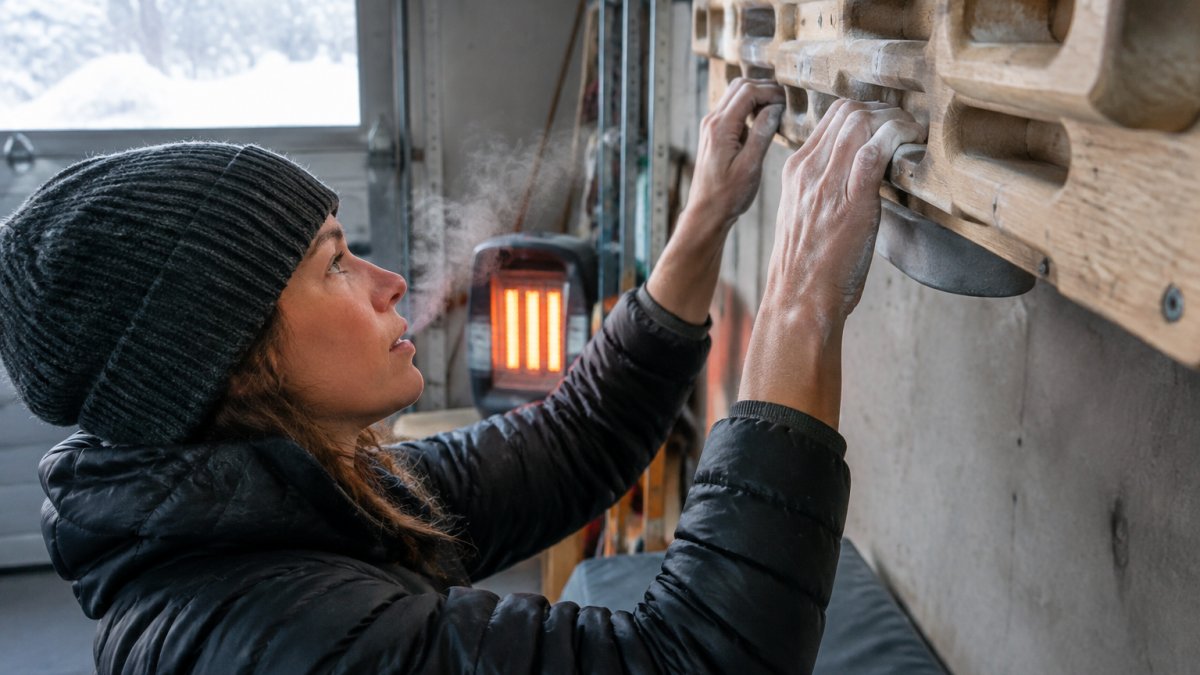
Climbing finger warm-up exercises should raise hand temperature and mobilise the joints before you add resistance, eight to ten minutes, ending warm and responsive, not pumped. Do three minutes of general warm-up, then finger glides, wrist rotations, tendon gliding, and light squeeze work for 60 seconds each, finishing with two sets of 10-second easy hangs on a jug with feet supported.
New to finger training? Start with our guide to finger strength training for beginners.
Choosing a Climbing Grip Trainer for Cold Hands
Choosing a climbing grip trainer for cold hands comes down to load control, grip surface, and portability, loadable tools beat fixed ones because you can start lighter and build up as your hands warm.
| Tool type | Best for | Load control | Portability |
|---|---|---|---|
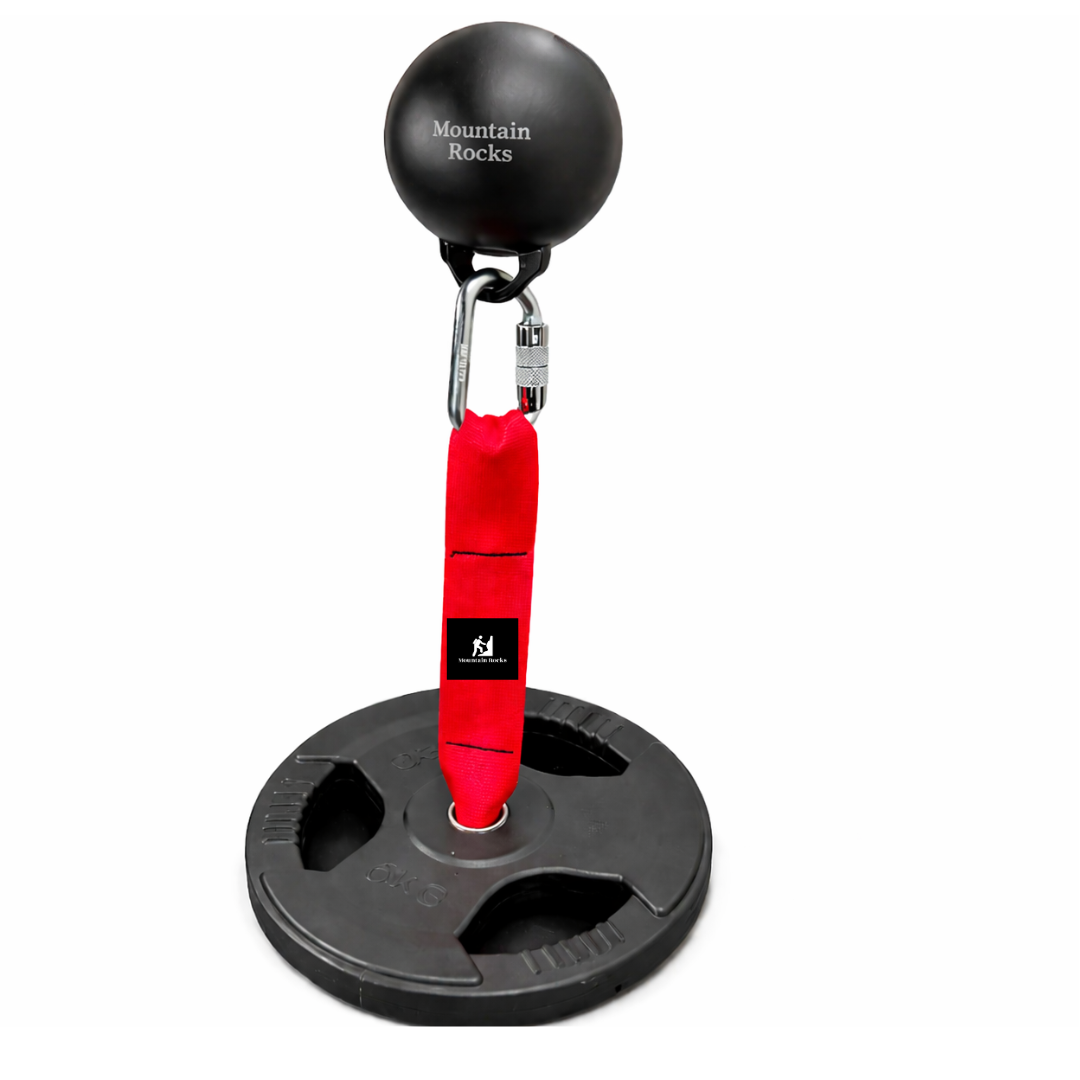
| Loadable steel grip ball | Pinch and open-hand strength | High, add plates | High |
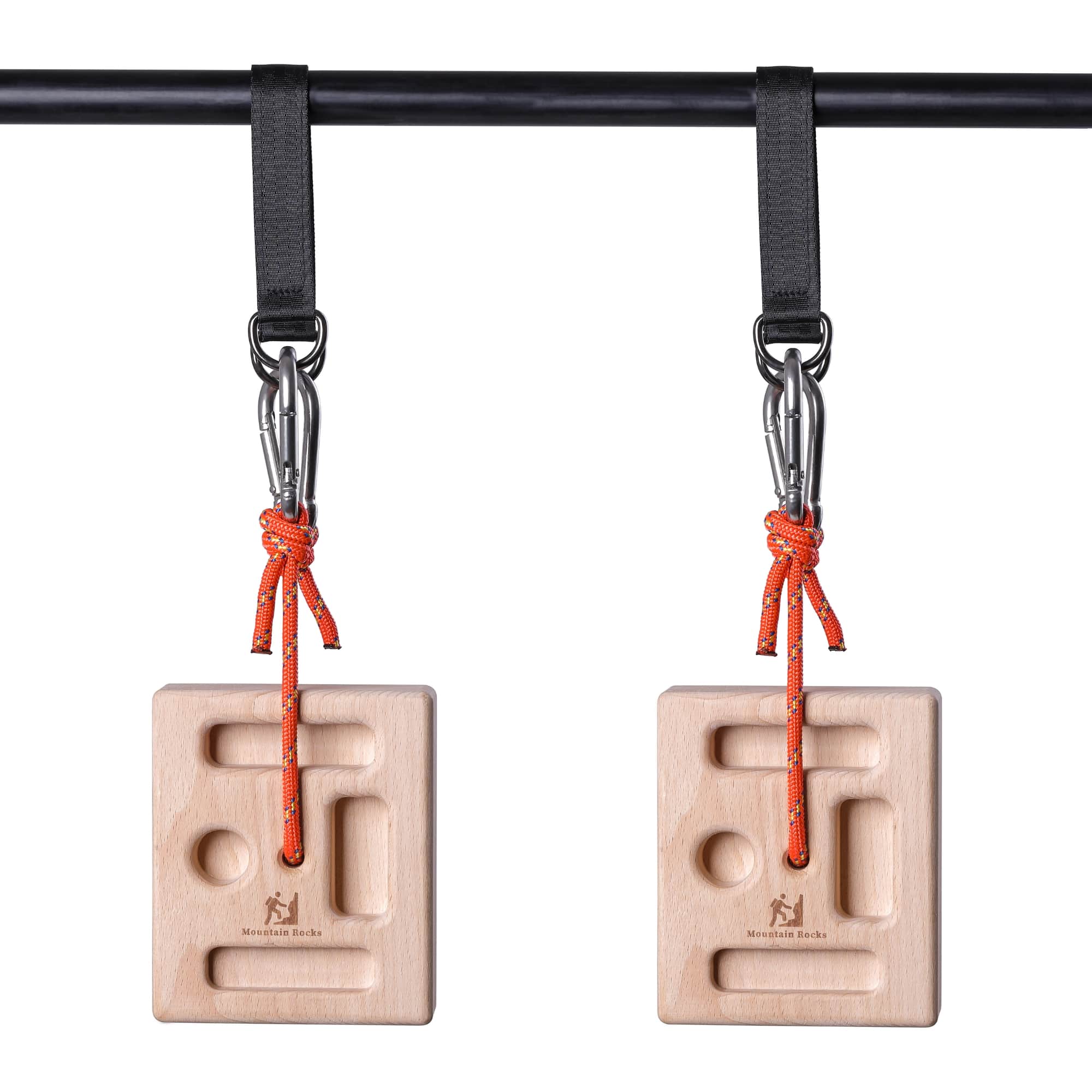
| Portable hangboard | Structured edge training | Moderate | High |
| Piston grips | Crush grip and forearm endurance | Moderate | High |
Our pick for cold-weather training is a loadable tool such as the steel grip ball with loading pin: start with no plates, then add weight as your hands come to life. For slopers, the portable hangboard with loading pin offers edges from 40mm down to 12mm and weighs just 1.5 kg, while the strength training gear range has matched bundles for pulling and grip together.
Best for: climbers training in a cold garage or unheated gym who need adjustable load. Skip if: you already have a fixed hangboard and only train in a warm gym.
Safe Climbing guidance on finger injury prevention and progressive loading
Building Finger Strength Without Overloading Cold Hands
Building finger strength in cold conditions means reducing load and extending rest, not pushing through stiffness. Favour open-hand and half crimp over full crimp, keep sets short with long rests, and stop a set when your grip opens, not when it fails, and stop immediately on sharp pain, a sudden pop, or numbness that does not clear.
For cold-weather-specific drills, read our guide to climbing pinch block drills for cold weather.
Training Between Sessions and Staying Consistent
Training between sessions is where portable grip tools earn their place: a loadable grip ball or grip balls on straps fits in a gym bag, so you can keep finger strength ticking over without a wall-mounted setup. Consistency matters more than intensity, short, regular sessions beat occasional heavy ones, especially through winter.
Cold-Weather Session Planning and Recovery
Keep hands warm between sets with gloves or pockets, warm down with light movement rather than stretching cold tissue, and allow more recovery time when the temperature drops.
Cold fingers should not stall your progress. Warm up properly, load conservatively, and pick tools that let you adjust resistance as your hands come to life. MOUNTAIN ROCKS offers purpose-built training gear, including loadable grip balls and a portable hangboard with a loading pin. Rated Excellent on Trustpilot.
Frequently Asked Questions
How do you warm up your fingers before climbing?
Start with five minutes of light movement: arm circles, wrist rotations and gentle finger flexor and extensor stretches. Then do two sets of easy open-hand hangs on a large edge for 10 seconds each, resting 60 seconds between. Finish with light squeezing using a soft silicone strengthener. The whole sequence takes about eight minutes and raises hand temperature before you load small edges or a hangboard.
Is it safe to hangboard when your fingers are cold?
Cold fingers reduce blood flow and tissue elasticity, which raises the risk of pulley strain. Warm up until your hands feel pliable and your fingertips are pink, not pale. If you cannot get warm, use larger edges, reduce load and shorten hangs. Stop immediately if you feel sharp pain, numbness or a sudden loss of grip control, and let your hands rewarm fully before the next set.
What is the difference between a grip trainer and a hangboard?
A grip trainer is a portable tool such as a grip ball, piston grip or pinch block that you squeeze, hang or lift with added weight. A hangboard is a fixed or strap-mounted board with edges and jugs for structured finger loading. Grip trainers suit warm-ups, travel and between-session work; hangboards suit progressive edge training. Many climbers use both, pairing a portable hangboard with grip balls for a complete setup.
